How CFOs Master the Art of Saying No (Without Losing Influence)

● Discover why saying no can actually earn you the respect of your colleagues
● Uncover scripts and practical examples that you can use right away to deliver a 'positive no'.
So, we say yes; to meetings, to projects, to last-minute requests.
What we often don't stop to acknowledge is that every yes we give away without thinking comes at a cost.
There are things we say no to when we say yes too often; typically the 'important but not urgent' opportunities and projects that would have the greatest impact on the businesses we are aiming to serve.
● Burnout - because we're overextended.
● Poor prioritisation - because we're reacting instead of leading.
● Reduced capacity for strategic thinking - because we're too busy managing the urgent to focus on the important.
Below, I'll show you how.
William Ury, co-author of Getting to Yes, developed the Positive No Framework to help leaders say no in a way that protects their priorities and their relationships. It's a simple, three-step approach:
1. Say Yes to Your Priorities
Before you say no, get clear on what you're saying yes to. What are your strategic priorities? What impact do you want to have?
For example, if your focus is on delivering a finance automation project, saying no to a non-essential meeting now means saying yes to better, more up-to-date communication in the future.
2. Deliver a Respectful No
Once you know your priorities, communicate your no without over-explaining or apologising.
As Brené Brown puts it, "Clear is kind." A vague or hesitant no can create confusion or resentment, while a direct and respectful no creates clarity.
Instead of saying:
Try:
3. Offer an Alternative or Solution
A great no doesn't end the conversation. Offering an alternative shows that you're still engaged, just in a different way.
For example:
✔️ "I can't join that meeting, but I'd be happy to review the key points afterward."
✔️ "I won't be able to take this on, but have you considered [another team member]?"
This approach reinforces your leadership presence by showing that your time and energy are valuable - and that you make decisions based on what will drive the most impact.

A study from Columbia Business School (Ames & Flynn, 2007) found that leaders who set clear boundaries are actually perceived as more competent and influential. When leaders confidently say no to protect their priorities, people respect them more - not less.
Saying yes too often can actually diminish your credibility because it suggests a lack of focus. A well-placed no, on the other hand, signals decisiveness and leadership maturity.
The best CFOs aren't the ones who do everything - they're the ones who focus on the right things. They're the ones who make the best use of their time and energy.
So the next time a request comes your way, pause and ask yourself:
What's the yes behind my no?
What could I achieve if I practised saying no more often?
I'd love to hear your thoughts.

Author: Alena Bennett
Alena works with leaders and their teams to connect technical and leadership skills so they can deliver to deadline without killing their people.


This is the trusted guide for CFOs to lead with IMPACT and create VALUE.
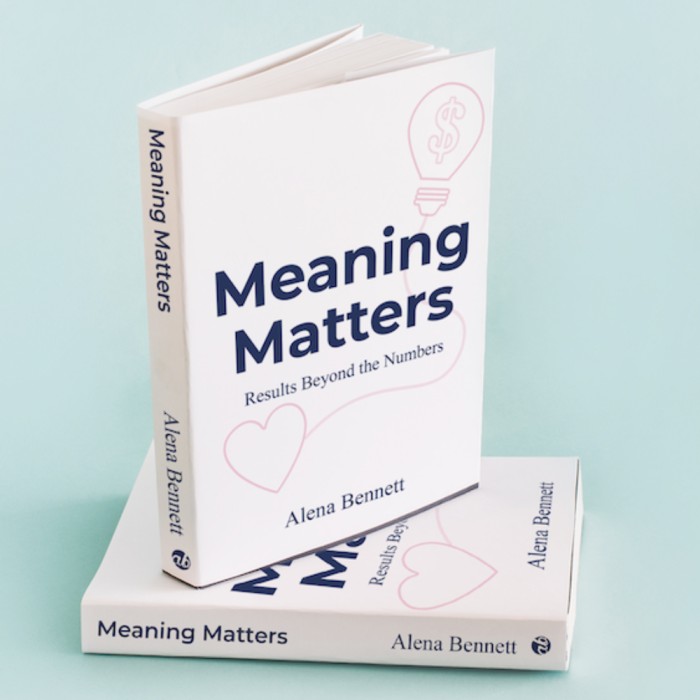
It's time for women in finance to find power in their purpose!