A Packed Calendar is a Sign of Low Organisational Trust
• Discover why a packed calendar is often a symptom of low organisational trust rather than high productivity.
• Learn how unclear decision-making authority drives reduced enterprise value.
• Identify practical ways to free your team from unnecessary meetings.
Back-to-back
/bak tə bak/
(adjective)
1. Occurring consecutively, with little or no interval between events.
Example: "Let me take that offline and circle back to you. I'm in back-to-back meetings all day."
There are lots of things that this phrase could potentially be saying about the speaker and the business that they work for.
It could suggest that staff are highly engaged and communicative. Perhaps that internal culture is great and that teams like spending time together.
There is also another, less positive possibility, and it's one I see fairly regularly in my work. And unfortunately, it's not something that can be fixed with better delegation.
A packed calendar can be, and often is, a sign of low organisational trust.

When they're unclear on their KPIs, they will find it impossible to judge where they will add the most value. And if they're afraid that they will be misinterpreted, misrepresented or misheard, they will over-communicate to create a paper trail they can refer back to later.
Over-attendance and over-communication are sometimes perfectly reasonable defence mechanisms.
They are what psychologically unsafe people do when they're trying to protect themselves.
The Time Tax
Every hour your senior leaders spend in meetings they don't need to be in is an hour they are not spending on the work that creates enterprise value.
And the compounding effect is significant.
When a CFO is in a budget meeting that should have been resolved two levels below them, they're not working on projects designed to strengthen business margin. When a COO is attending a project update that should have been handled by their direct report, they're not engineering better systems. When a CMO is in a meeting to get sign-off on a decision that is clearly within their remit, they aren't generating new revenue opportunities.
All of this has a tangible cost in reduced enterprise yield.
The good news is that low internal trust is a structural problem.
Which means it has a structural solution.
This Week's 20-Minute Task
Start here: map your decision-making authorities explicitly. Jump on the phone, or better yet, walk the floor and ask just one person about the last meeting-that-could-have-been-an-email and what they suggest could have been done differently.
Then look at your KPIs. Can every member of your team tell you, without hesitation, what success looks like for them this quarter? Can they tell you in terms specific enough for you to comfortably grant them additional decision-making authority?
Then get out your RACI, and update it with your findings.
Finally, I'll leave you with the following:
If your key people all took a week's leave tomorrow, would meaningful decisions still get made in their absence? Or would their inbox be full of questions only they can answer within 48 hours?
I'd love to hear your thoughts.

Author: Alena Bennett
Alena works with leaders and their teams to connect technical and leadership skills so they can deliver to deadline without killing their people.

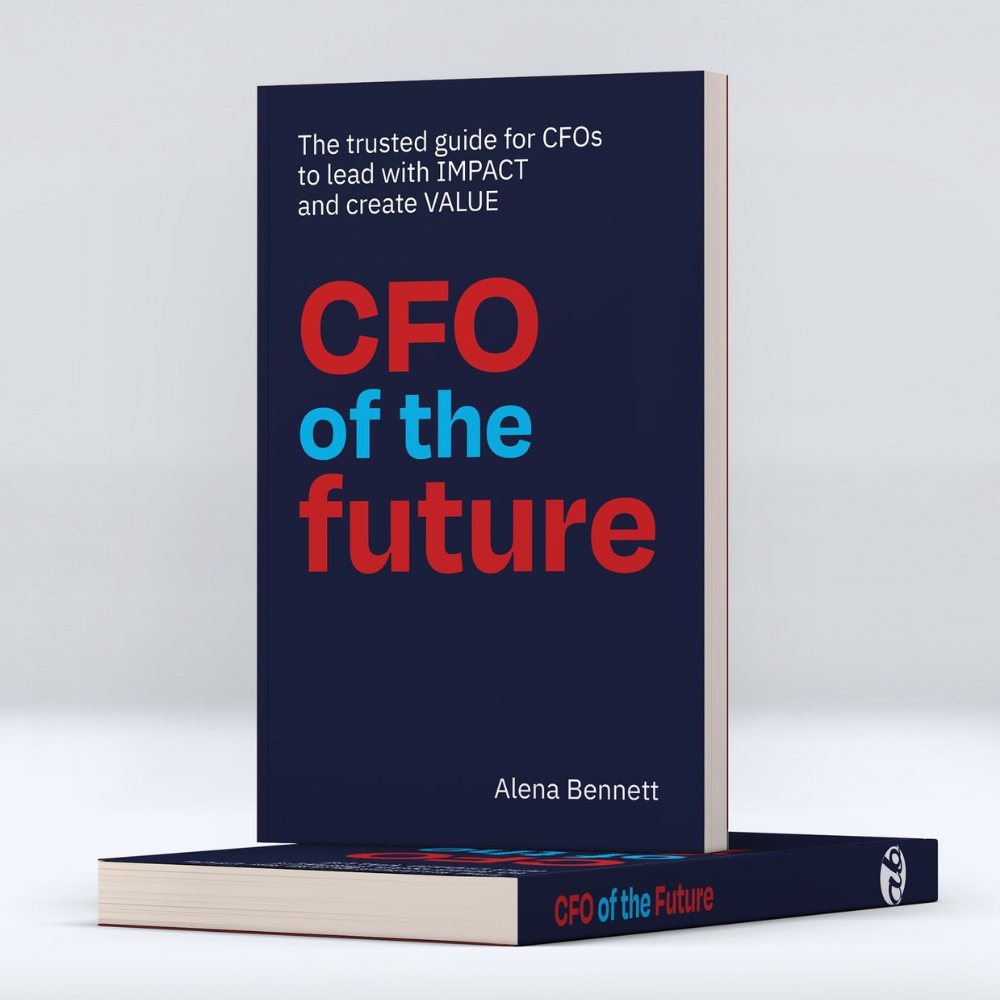
This is the trusted guide for CFOs to lead with IMPACT and create VALUE.
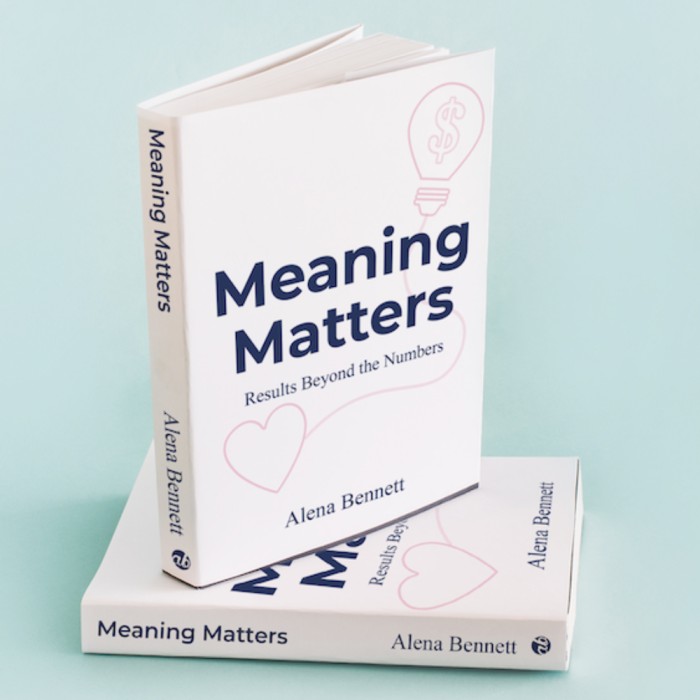
It's time for women in finance to find power in their purpose!