Are you being honest about what you really want in 2026?

• Learn how dread can positively impact your leadership
• Discover the difference between wish list thinking and growth opportunities
• Explore what your true 'wants' are
I've got a question. When did New Year's resolutions become a tick box activity?
As we move toward the end of the year, most people start thinking about what they'd like to change or achieve in the new year. It's become such a ritual that we hardly question it, or even really put that much thought into it at all.
As a business leader who is accustomed to goal setting, putting together a list of resolutions is easy. Lose some weight. Check. Be a better friend. Check. Grow the business. Check. But ease doesn't usually equal growth.
In Aesop's famed fable The Fox and the Grapes, the fox tries, and fails, to reach a bunch of ripe grapes he sees hanging from a vine. Upon not being able to reach it, the fox dismisses the grapes, concluding they're probably sour and inedible anyway. The fox, like many people, chooses to devalue the thing he could not attain. After all, in life - as in business - it's easy to rationalise staying safe. It's much harder to examine the goals you'd pursue if you weren't afraid of failure.
So this year, instead of asking "What do I want?", try asking "What goal provokes a little dread, and what might that be telling me?" It's often these uncomfortable feelings that we should lean further into.
Discomfort often points to what you actually want
Think back to earlier in your career when you were asked to take on more responsibility or a bigger workload. What did it feel like? For me, it was a mixture of excitement and dread. A bundle of nerves and anticipation, almost like a child on the eve of their birthday. It is this combination of feelings that lets you know that you're preparing to stretch your capabilities, whether it's personal or professional.
Wish list thinking keeps you small
Successful leaders are constantly balancing; managing risk, maintaining credibility and staying inside organisational guardrails. It stands to reason that without deeper introspection, resolutions and plans become less risky... acceptable ambitions rather than bold thinking. Maybe this year it's time to ask yourself: what leadership goals would be on your list if it wasn't reviewed by your board, your CEO, your line manager, your shareholders?
What would you do if no one was watching?
What are you willing to be misunderstood for?
Canva ranked number five on the 2025 Forbes Cloud 100 list. But early on, many investors believed Melanie Perkins wasn't 'commercial' enough because she chose not to pursue monetisation. Perkins deliberately prioritised product scale, accessibility and product stickiness over fast revenue generation. Today Canva is valued at ~$42B; a reminder that real transformation often requires leaders to tolerate short-term doubt or resistance, and being misunderstood initially is common when you're ahead of the curve.
So, what is your real 'want' for 2026?
Before you map out leadership goals or draft a plan, take yourself through a private, honest self-diagnosis.
Reflecting on 2025
1 . Start with the idea that keeps re-surfacing.
Every leader has one. It's the idea that keeps coming back, even when you've rationalised it away.
2. Pay attention to the emotional mix.
The right goal will sit at the intersection of excitement and dread. If it's only exciting, it's probably not stretching you. And if dread is all you feel, it's likely not the one for you either.
3. Make it specific
Be brutal. Don't fall into the trap of vague ambitions. Set specific leadership goals to help you shape your plan.
The Fox and the Grapes reminds us how easy it is to let a fear of failure talk ourselves out of what we really want. But being honest about our goals and ambitions is usually the antidote to that.
So, in 2026, ask yourself:
What am I willing to lose credibility over?
What am I willing to have misunderstood?
What am I willing to not succeed at straight away?
Inside The CFO Boardroom, this kind of honest stretch work is exactly what we help leaders navigate. If you're ready to extend yourself in 2026, consider booking an obligation-free call to explore joining us.

Author: Alena Bennett
Alena works with leaders and their teams to connect technical and leadership skills so they can deliver to deadline without killing their people.

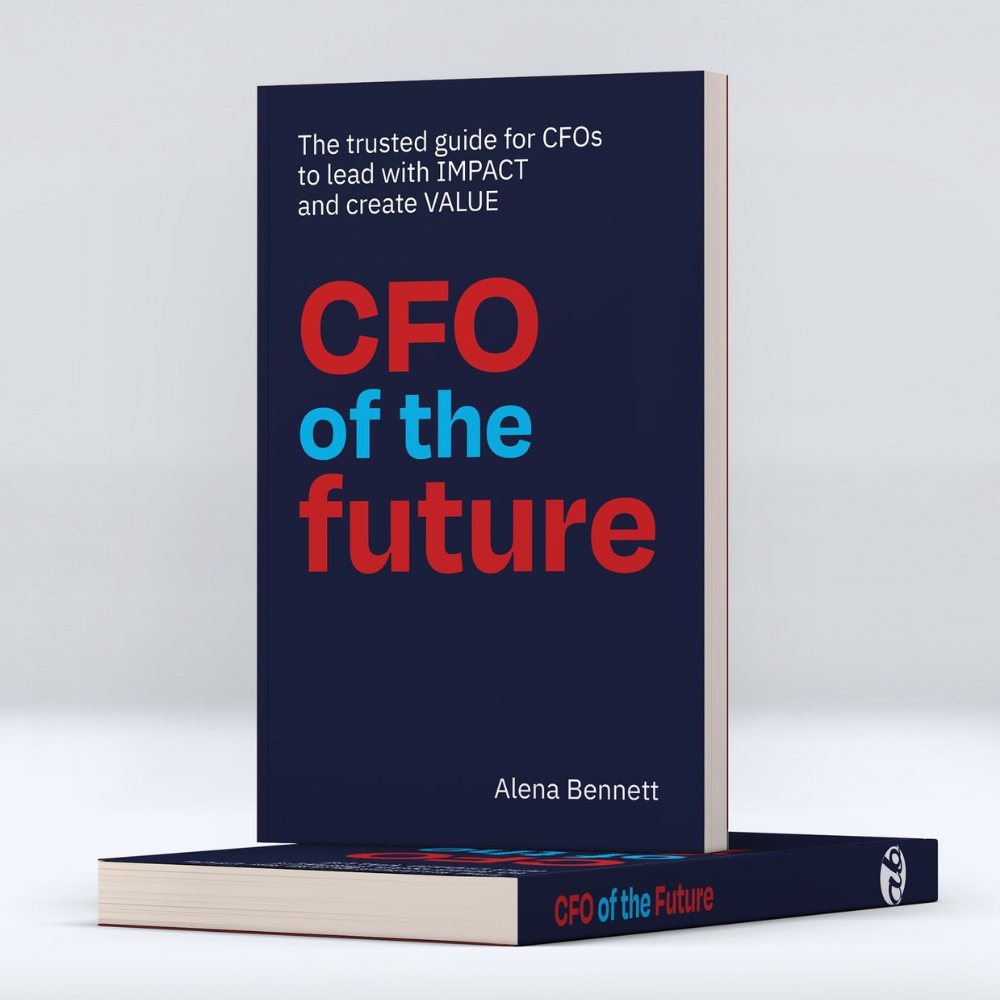
This is the trusted guide for CFOs to lead with IMPACT and create VALUE.
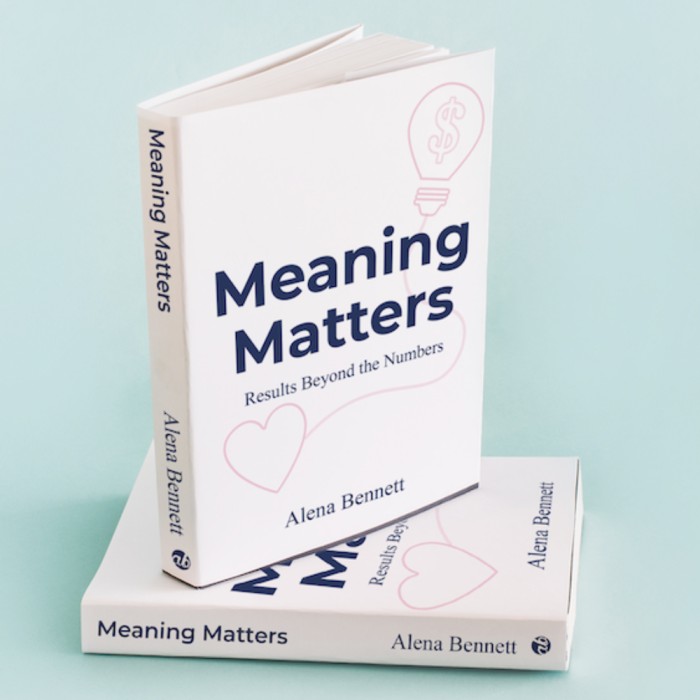
It's time for women in finance to find power in their purpose!