Are You Running a Board Meeting or a Book Club?
• Why you should start treating your board's time like an expensive intangible asset
• Learn how to extract more value out of your board meetings
I'm going to pick a fight with some people today.
Nobody should spend even one second reading aloud from a board report inside their board meetings.
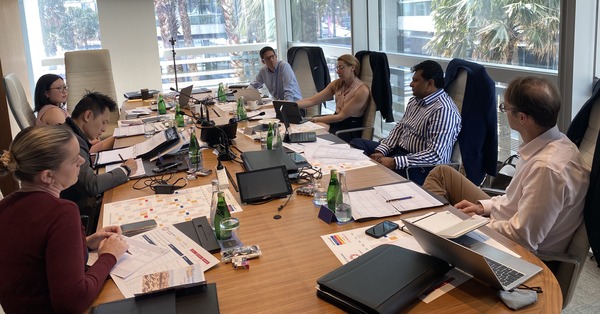
The way I see it, reading a board report aloud to your board is like taxiing a plane up and down the runway without ever taking off.
You've got all the expertise there in the room with you, but none of it is being used for its intended purpose.
One reason this habit survives in many organisations is not just that it's the way things have always been done. It's that reading aloud from an impressive sounding dashboard makes participants look disciplined and clever... someone is speaking, everyone is listening and it can feel like good governance (even though nothing useful is happening).
The problem is that time spent reading the board paper in your board meeting comes at the expense of your board doing the strategic work it should be focused on.
Your board meetings are your most valuable hours in a quarter. They are for solving problems and crafting strategy with the biggest brains in your business.
And with Australia's sluggish productivity, geographic distance, sparse population and lack of economies of scale, you need every second of those board meetings for thinking and strategising.
Board papers should be designed to communicate a concise amount of critical information before the meeting. They should guide the board towards a decision and make it immediately obvious where your board should be focusing their time.
One helpful way to think about it is this: the discussion in your board meeting should begin where your board paper ends.
Quick sense check:
• Step 1: Estimate how much of your board meeting time spent reading aloud from board reports
• Step 2: Now estimate how much of your board meeting is spent brainstorming and decision making.
If it's not 100% the latter, it's a colossal waste of opportunity. Because the longer you spend walking through what everyone has already read, the less time you have for discussions and decisions that actually need those people in the room.
It is your responsibility to ensure that your board meeting is focused on the work that only your board can do.
Start treating the value of your board's time like an expensive intangible asset.
Reserve this valuable time for capital and performance decisions, not for re-hashing a paper everyone should have already read for themselves.
You're running a board meeting, not a book club. Make sure you're treating it as such.
Do you agree?
I'd love to hear your thoughts.

Author: Alena Bennett
Alena works with leaders and their teams to connect technical and leadership skills so they can deliver to deadline without killing their people.

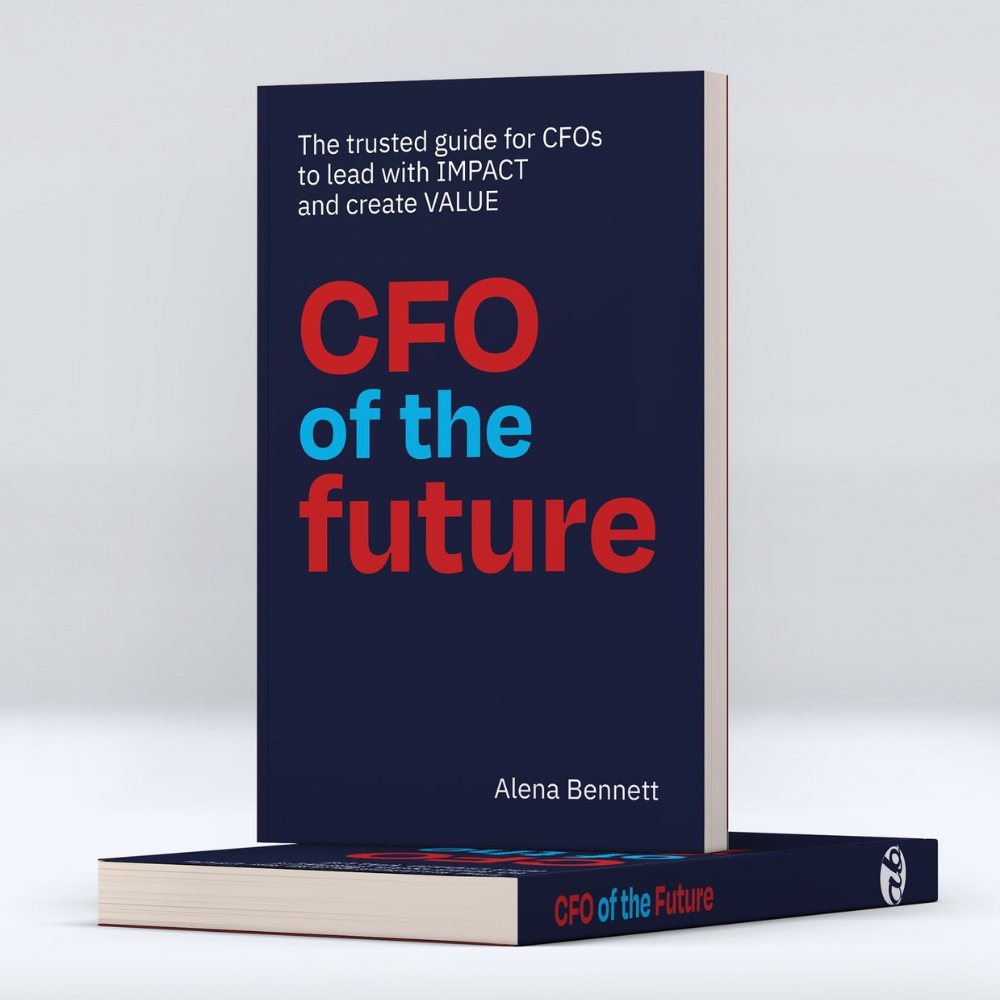
This is the trusted guide for CFOs to lead with IMPACT and create VALUE.
It's time for women in finance to find power in their purpose!