What CFOs Need to Be Doing Differently in 2026
• Learn how to calculate enterprise conversion efficiency using a simple, practical formula.
• The Conversion Efficiency Equation, explained.
There are loads of things that the internet will tell you that you need to do differently in your organisation in 2026.
AI alone has forced me to familiarise myself with metrics I've learned entirely against my own will. Throw in the tax environment, some regulatory fun, and a heavy dose of watching the world go mad and you could be forgiven for tuning out completely.
So I'm going to make things really, really easy for you.
If you track just one metric in 2026, make it this: conversion efficiency.
It's a very simple calculation you can do on the back of a napkin that will reveal more about the strength of your business than your P&L or balance sheet combined.
Conversion efficiency forces you, in the simplest terms possible, to answer the question "how efficiently are we spending our money?"
In a good business, when revenue increases, profit increases symmetrically. In a great business, it increases proportionately more.
The conversion efficiency equation adds an additional layer over incremental margin to give business leaders a sense of your operating leverage.
The Enterprise Conversion Efficiency (ECE) Equation
Calculate:
Change in Operating Profit ÷ Change in Revenue
Example:
Revenue:
Year 1: $100m
Year 2: $120m
Profit:
Year 1: $10m
Year 2: $14m
Base Margin:
Year 1: 10%
Revenue change = $20m
Profit change = $4m
Incremental margin = 4 ÷ 20 = 20%
Now calculate your conversion efficiency ratio by dividing your incremental margin by your base margin.
20% ÷ 10% = 2.0x
If your conversion efficiency ratio is above 1.0x, your growth is strengthening your margin.
If it's below 1.0x, it's diluting your margin.
And if it's below 0.5x, your growth rate is now in vanity metric territory and it's time to rethink your whole strategy.
From Cost Controller to Guardian of Efficiency
It is my fundamental belief that every business should position their CFO as the guardian of conversion efficiency.
There are only two things that can kill a business: cash and compliance.
As the only member of the SLT other than the CEO with accountability for both, the CFO is in a unique position to influence how effectively capital and human effort are deployed.
This includes not just where and how money is spent, but whether it generates real enterprise value.
Tracking your conversion efficiency is a great place to start.
What does your conversion efficiency equation reveal about your organisation?
I'd love to hear your thoughts.

Author: Alena Bennett
Alena works with leaders and their teams to connect technical and leadership skills so they can deliver to deadline without killing their people.

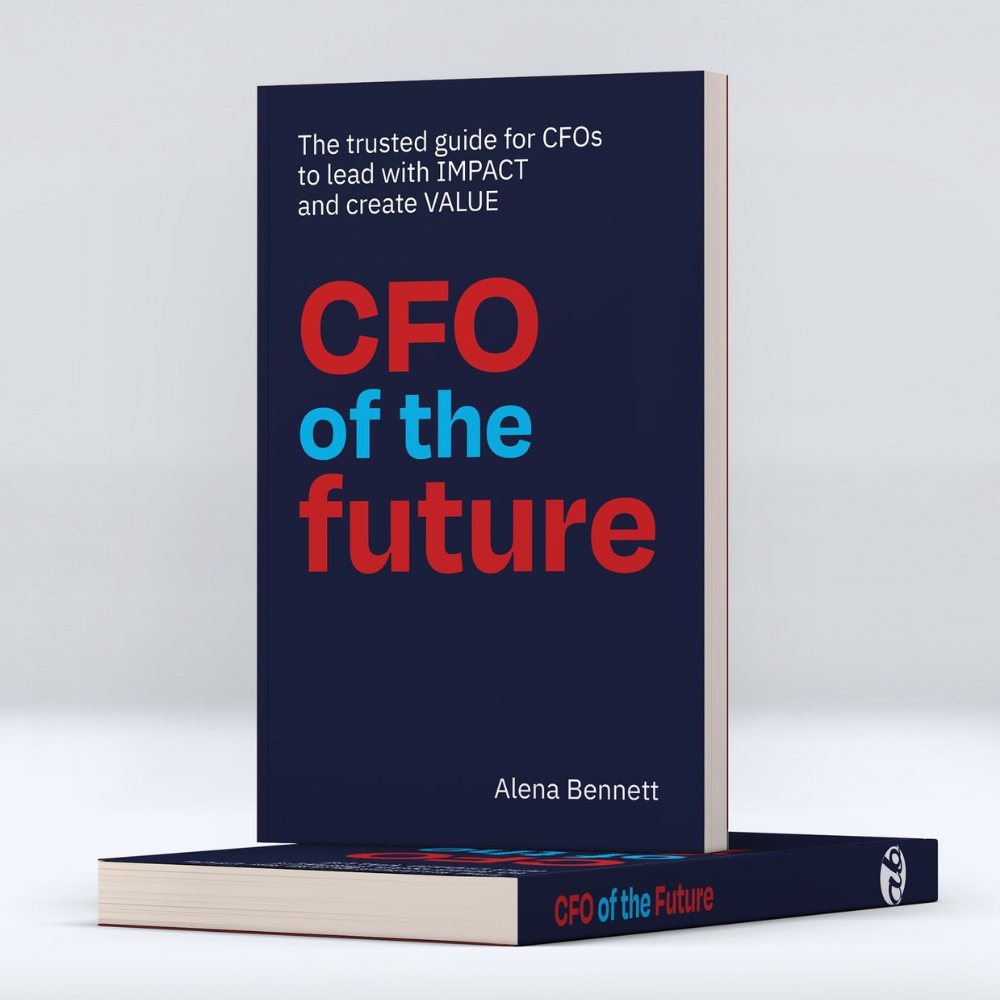
This is the trusted guide for CFOs to lead with IMPACT and create VALUE.

It's time for women in finance to find power in their purpose!