CFOs Need to Change the Way They Plan

We are not robots, and if we're still planning as though we can function at peak levels every hour of every day, we're setting ourselves and our teams up for burnout and failure.
In this post, I'll share how CFOs can optimise their planning processes by aligning with natural energy cycles, creating buffer zones for surprises, and implementing positive feedback loops that maintain team moment
I've seen CFOs transform their effectiveness by making this shift. One leader I worked with restructured her day to handle budget analysis in the morning when her brain was freshest and tackled lower-priority meetings in the afternoon. The result was less stress, fewer errors, and a noticeable improvement in decision-making quality.
The lesson here? CFOs need to stop planning as if they're always operating at 100%. They should take stock of their own energy rhythms and plan their day around them.

gain clarity over your natural energy flows.
One CFO I coached began scheduling 10% of her time as "emergency hours." These hours were intentionally left unscheduled to handle last-minute issues without disrupting her key responsibilities. When the unexpected hit, she had the bandwidth to manage it without sacrificing the strategic work that drives real progress.
By planning for the unexpected, CFOs can stay ahead of the curve and avoid the trap of reactive management, keeping control over their priorities.
By building short-term feedback points - whether it's weekly financial reviews or monthly progress check-ins - CFOs can create a rhythm of success. Instead of focussing purely on long-term goals; CFOs can acknowledge the progress and give their teams the hit of motivation that comes from celebrating the wins along the way. One finance team I worked with implemented quick, end-of-week stand-up updates to track performance and celebrate small wins. The immediate feedback kept everyone engaged, motivated, and committed to the broader objectives.
Positive feedback loops create momentum, which is critical for keeping the finance team focused and energised, especially during long-term projects.
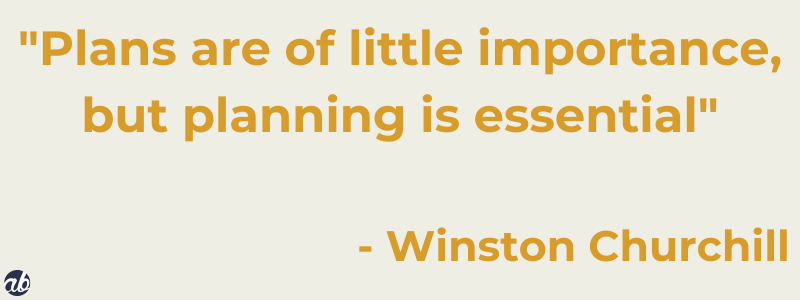
When CFOs start aligning their planning with their natural energy cycles, preparing for surprises, and building in positive feedback, they'll see results quickly. The clarity and flexibility that come with these strategies will elevate performance across the entire finance team and bring a sense of ease to their leadership.
How might planning for expected surprises give CFOs greater control over unexpected crises?
What small wins could be celebrated to keep teams on track toward achieving the company's strategic objectives?
I'd love to hear your thoughts...
The CFO Boardroom is my signature program. Join a confidential community of CFO's ready to play bigger, increase their impact and elevate the office of the CFO in the next 12 months before our next intake closes.

Author: Alena Bennett
Alena works with leaders and their teams to connect technical and leadership skills so they can deliver to deadline without killing their people.


This is the trusted guide for CFOs to lead with IMPACT and create VALUE.

It's time for women in finance to find power in their purpose!